




If you're overwhelmed with multiple bills in Wisconsin, you have a variety of options to overcome the situation. You need to know how much you owe on each of your accounts and what type of bills you have before you can begin a debt solution program.
Wisconsin debt consolidation - What is it all about?
Consolidation is one way of repaying your high interest bills with a smaller repayment each month. Wisconsin debt consolidation options are available as a consolidation program and a loan. Check out a brief outline of the options below.
Consolidation program:
Whether you have excessive credit card debt, medical bills, payday loans, store cards, personal loans etc., you can use a Wisconsin debt consolidation program in order to repay your bills in lower installments. Under this program, a Wisconsin debt consolidation company negotiates with your creditors, thereby reducing your interest rates, giving you relief from the burden of higher monthly payments.Consolidation loan:
Various lending institutions offer consolidation loans to consumers to help them consolidate their obligations. A consolidation loan helps you to combine all your outstanding balances into one big loan. The advantage is that the interest rates on these loans are usually lower than those on your credit cards. You can calculate interest rates with the help of a debt calculator easily. The biggest benefit of these kinds of loans is that you're only required to pay the interest on one loan instead of on several bills. However, if your credit is poor, you're less likely to get a consolidation loan. Learn more...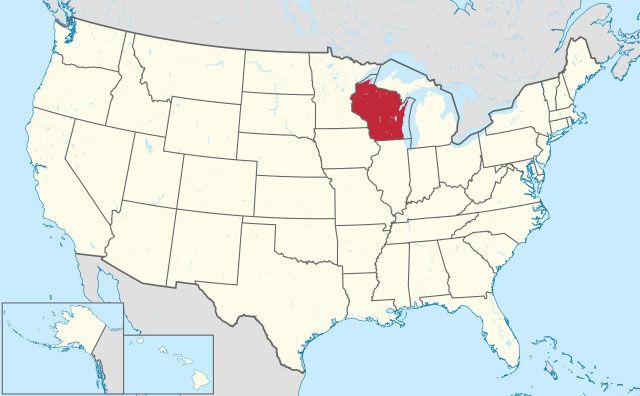
Avg credit card debt: $4,725
Delinquency rate on (credit card): 0.87%
Mortgage debt: $138,883
Delinquency rate on (Mortgage): 1.33%
Auto loan debt: $15,309
Delinquency rate on (Auto loan): 0.91%
Unsecured personal loan debt: $10,445
Delinquency rate on
(Unsecured personal loan): 3.21%
Wisconsin debt consolidation - What are the programs offered?
Consolidation companies in Wisconsin offer various programs depending upon the type of bills you're struggling to pay back to your creditors. The programs are given below.
This program helps you consolidate medical bills, utility bills, store card bills and other debt. When you are overwhelmed with credit card bills, you can get enrolled in a credit card consolidation program and reduce your monthly payments, thereby getting debt free faster. If your payday lenders are charging high interest rates just because you couldn't pay off the loans within the due date, you can try a payday loan consolidation program. Since there's no cap on the maximum finance rate and fees charged on payday loans in Wisconsin, going for a consolidation program is a good idea to avoid rising interest charges and fees.Consolidation in Milwaukee, Wisconsin - Are student loans included?
Consolidation/debt management programs available in Milwaukee and other areas of Wisconsin do not include federal student loans. There are several advantageous consolidation programs available with the Federal Department of Education that will help you repay your federal student loans. It is not a wise idea to consolidate Federal and private student loans together.
What are the benefits of Milwaukee, Wisconsin consolidation?
The primary benefit of a consolidation program is the replacement of several bills with a single monthly payment at a low interest rate. There are other advantages, such as reduction or elimination of late fees and over-limit charges through negotiation between the consolidation company and your creditors.
. This should be followed by repayment of the consolidation loan in small monthly installments.
How do Wisconsin debt settlement programs help?
When you enroll with a Wisconsin settlement company, they'll negotiate with your creditors and convince them to forgive a portion of your outstanding balance.
The purpose of the Wisconsin debt settlement program is to ease your burden and get you out of the obligation by allowing you to pay less than what you owe. However, it is essential that you know the basics of how settlement works prior to enrolling in a program.
How much
you can save
in Wisconsin
FAQ on Wisconsin debt consolidation options?
Like bankruptcy, Chapter 128 stops creditors from garnishing your wages and raising your credit card penalty charges. Like consolidation, Chapter 128 helps you to choose the type of bill you'd like to pay off at a rate you can afford. Learn more....
If you can't make the monthly payments on your bills, negotiate with your creditors and have your account balances reduced. If you can't negotiate on your own, get help from a Wisconsin debt settlement company that'll work with your creditors in order to reduce the amount you owe.